

Watch Winder
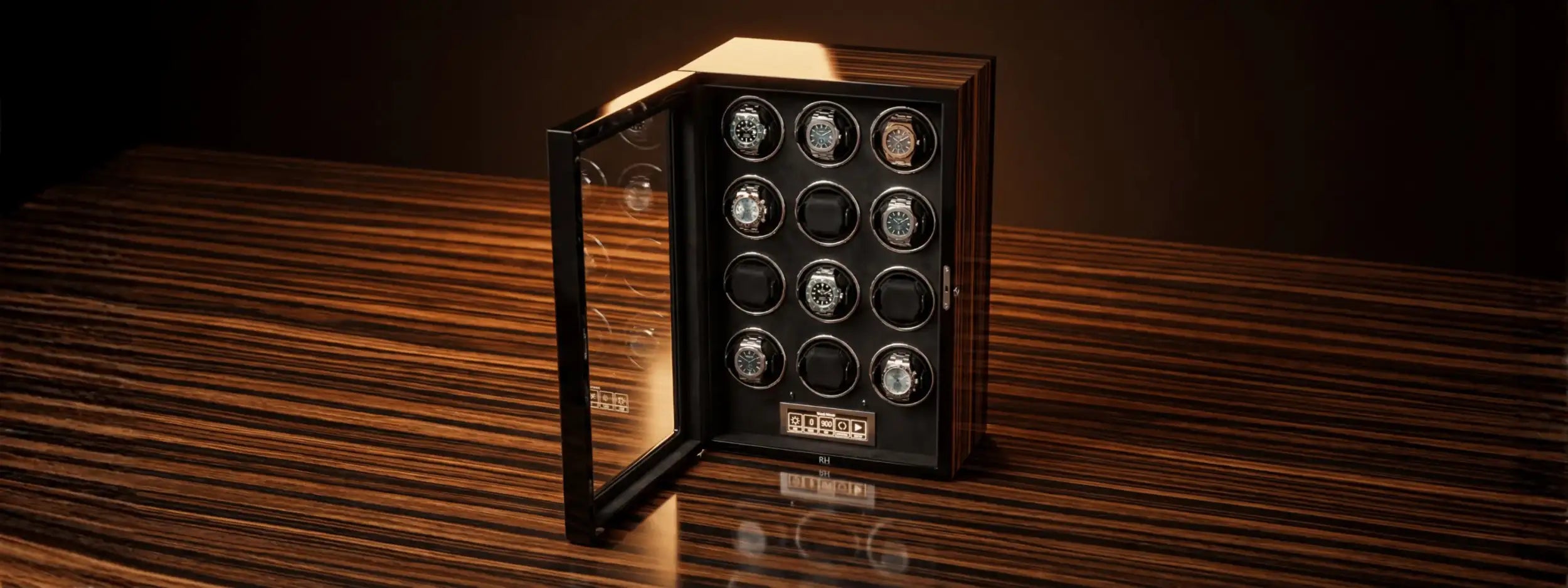
Automatic watch winder, watch winder, watch turner or watch winder – whatever the term, the use is the same: to keep your timepiece moving when you are not wearing it. Each model in our catalog simulates the natural…
Automatic watch winder, watch winder, watch turner or watch winder – whatever the term, the use is the same: to keep your timepiece moving when you are not wearing it. Each model in our catalog simulates the natural movement of the wrist thanks to a silent motor, thus preserving the watchmaking oils and complications of your mechanical watches.
Our winders cover all profiles: compact 1-watch winder for beginners, 6 or 12-watch box for collectors, up to safes with integrated winders for valuable collections. Compatible with Rolex, Patek Philippe, Audemars Piguet, Omega, Breitling and all automatic manufacturers – with individual TPD setting per slot.
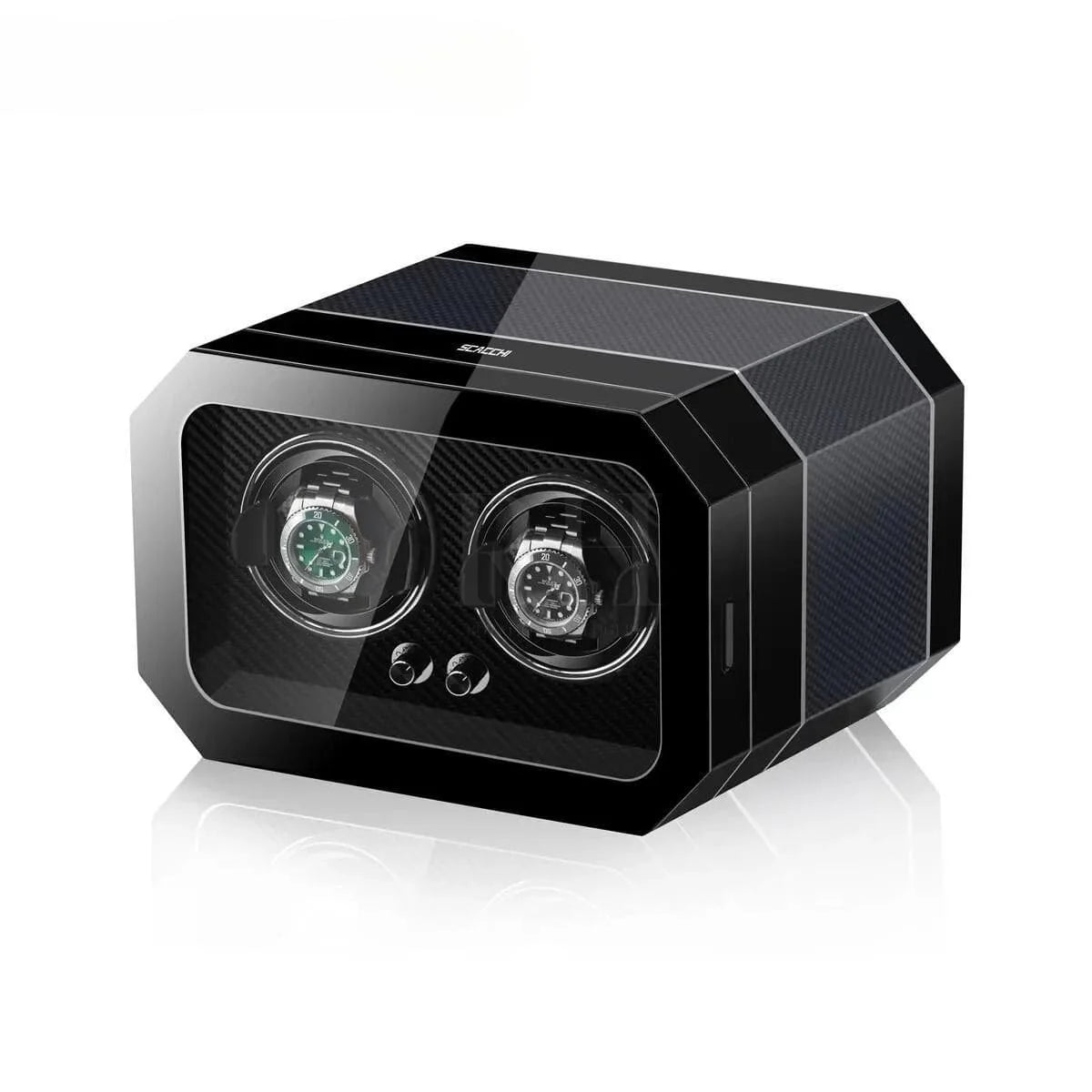
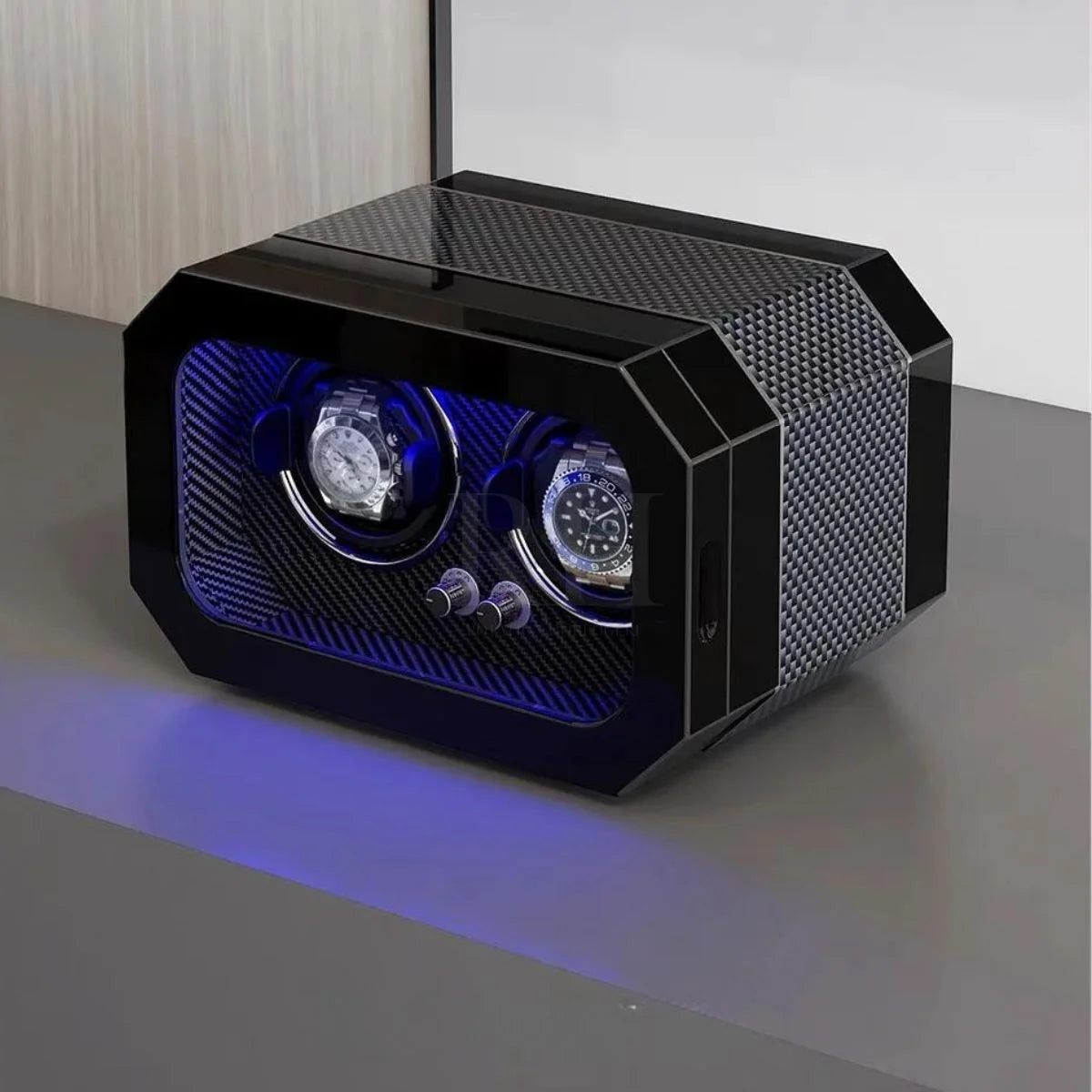
2 Slots Watch Winder - Quantum Carbon
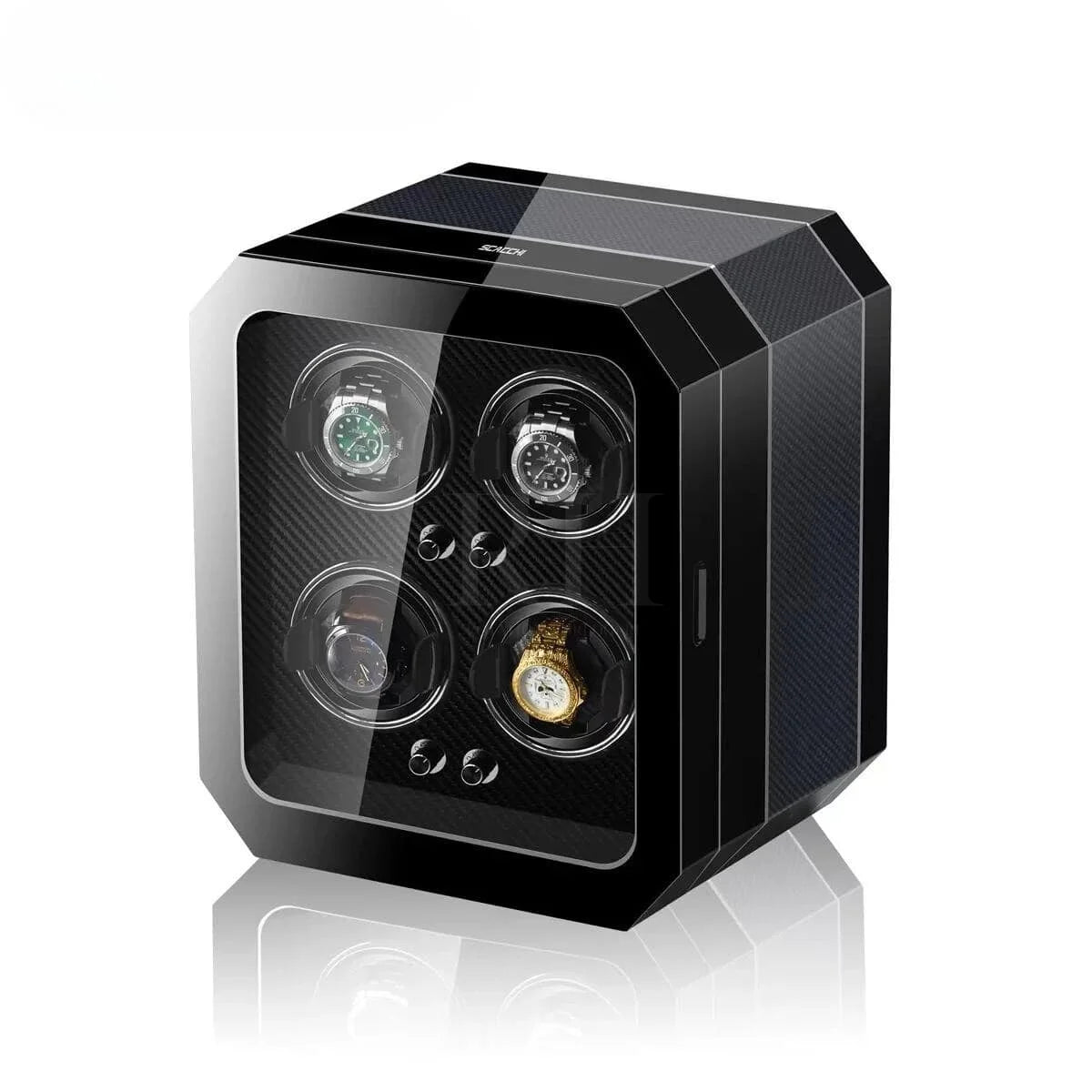
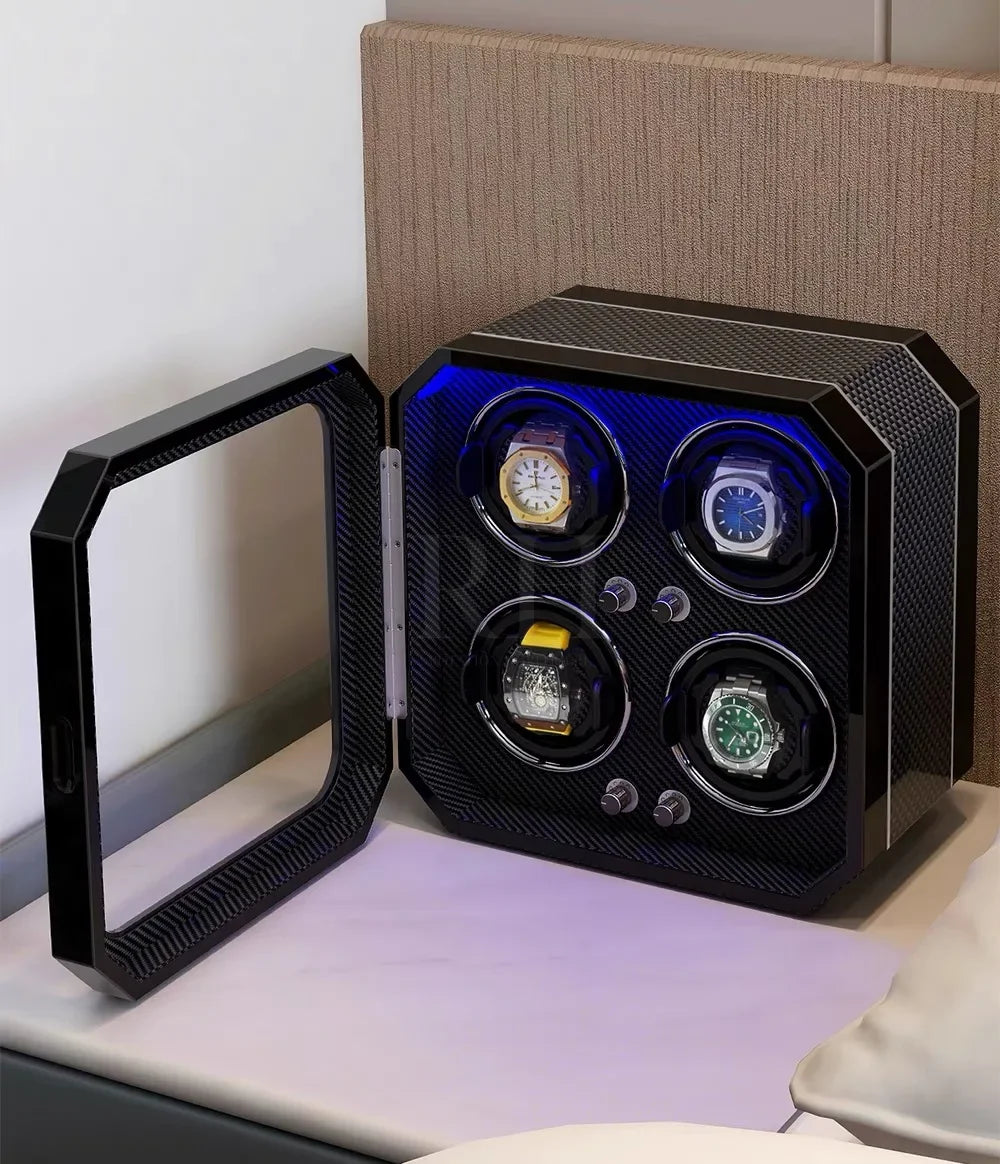
Watch Winder 4 slots - Quantum Carbon
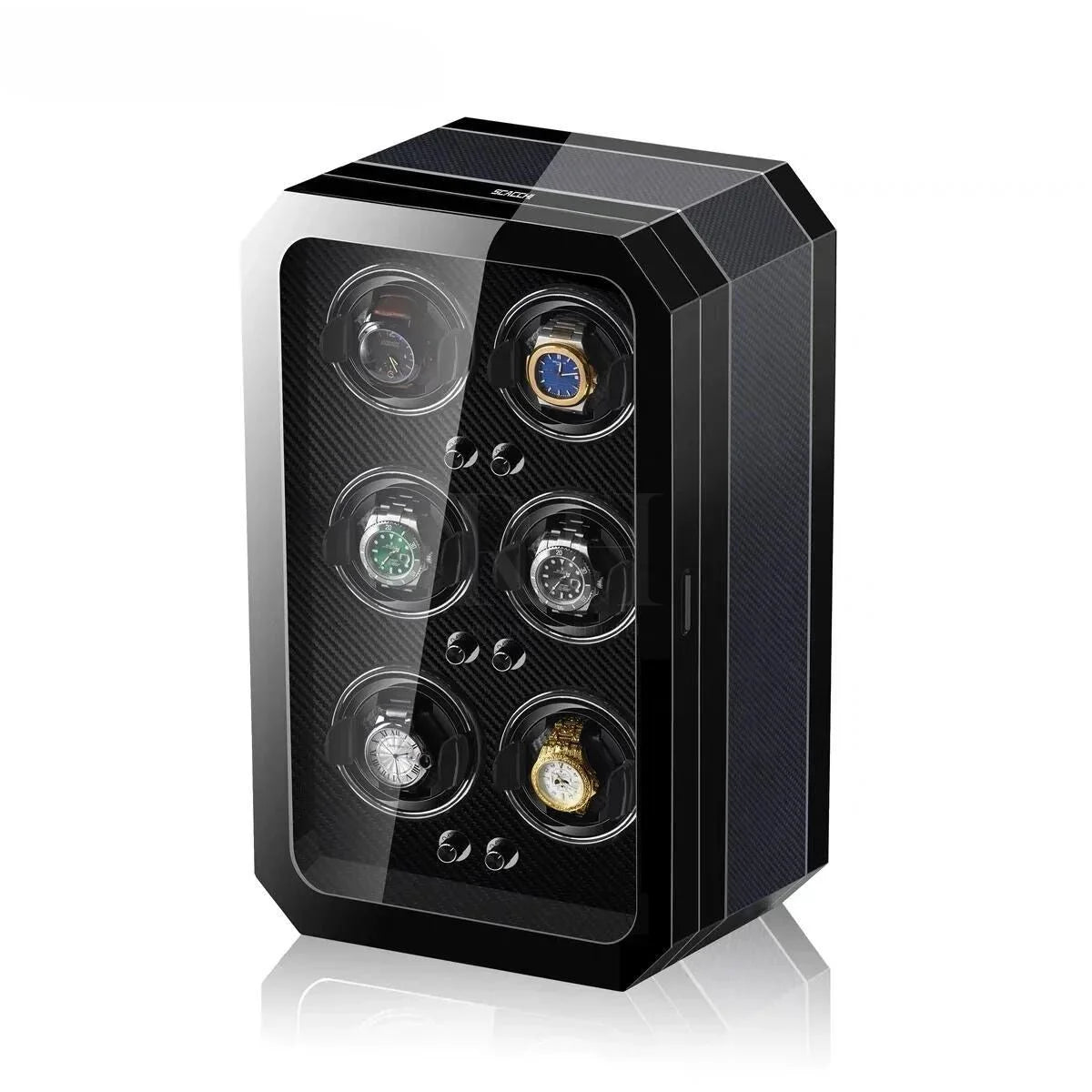
6 Slot Watch Winder - Quantum Carbon
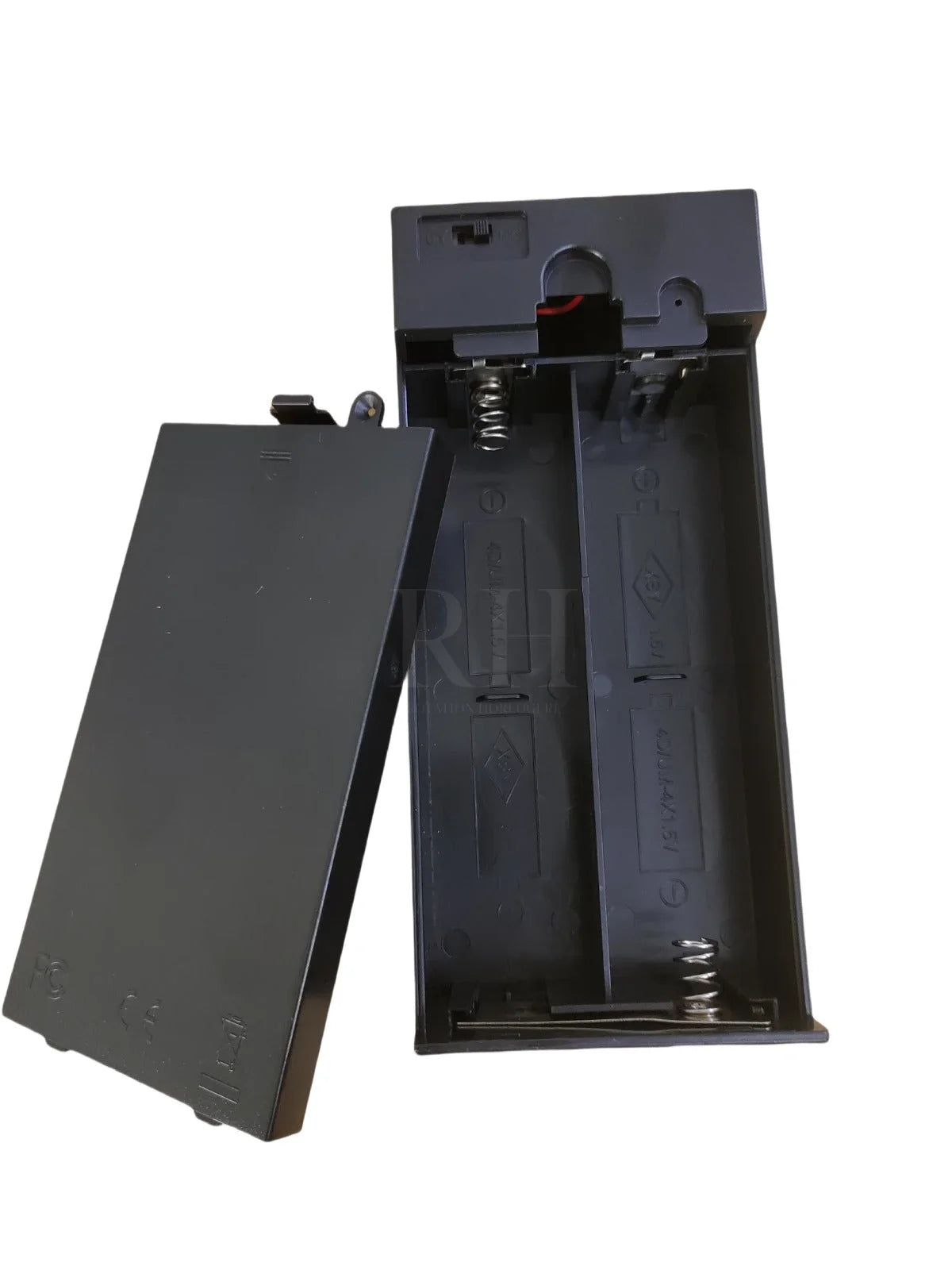
Winder Battery Extension Box

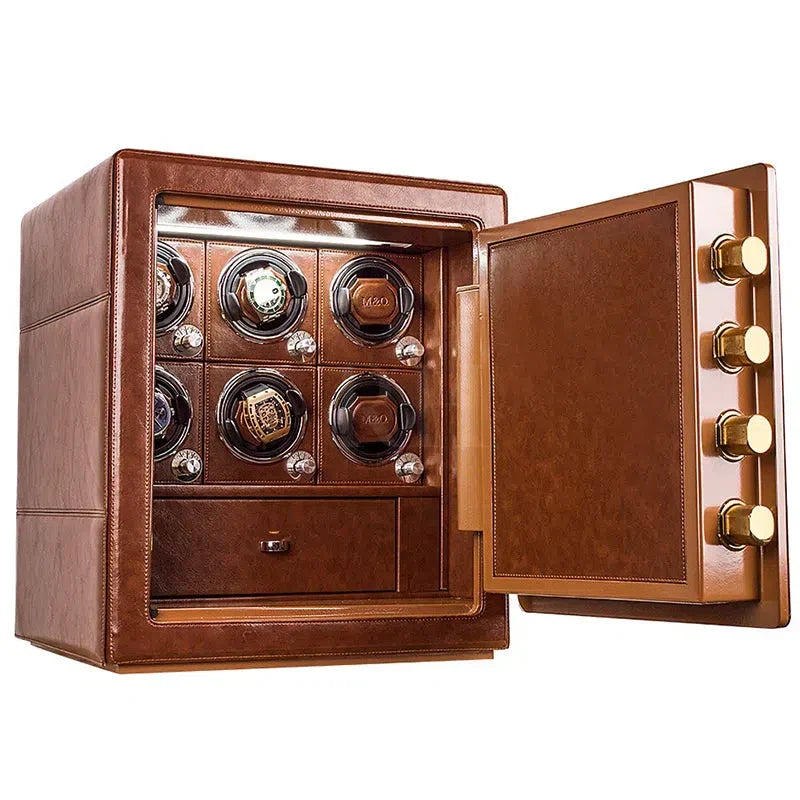
Atlas™ – 12 Watch Winder Safe
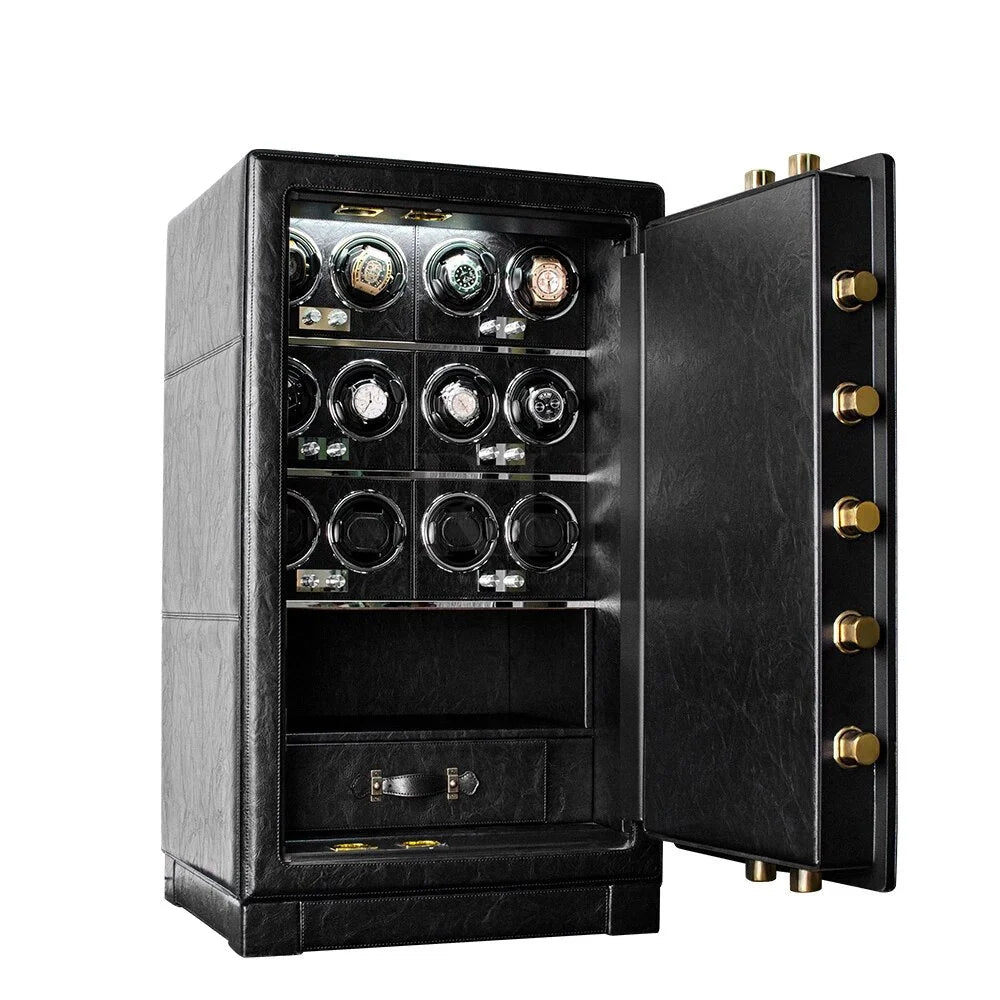
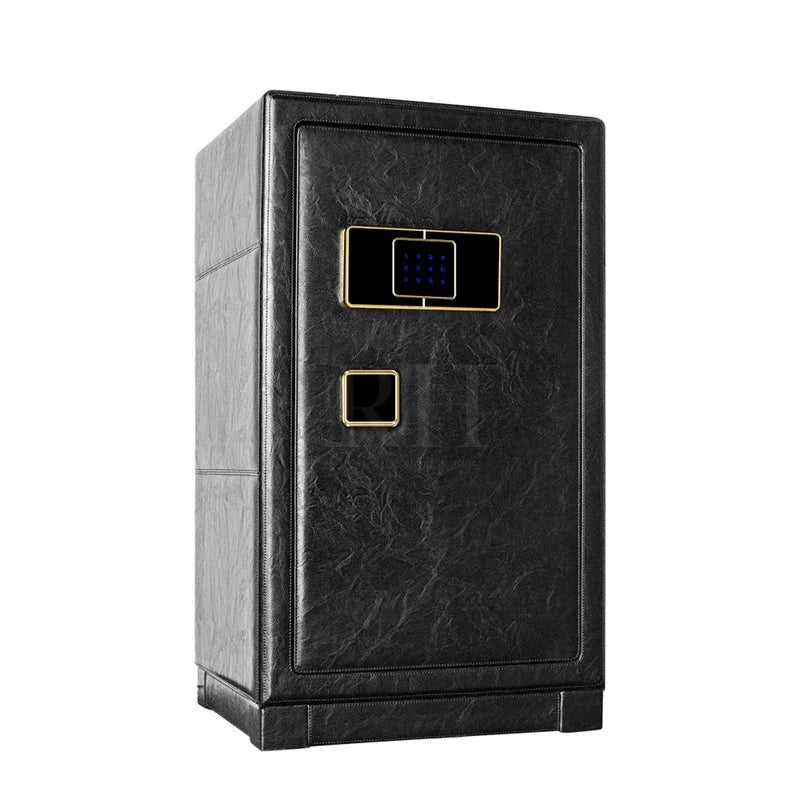
Atlas™ – 12 Watch Winder Safe
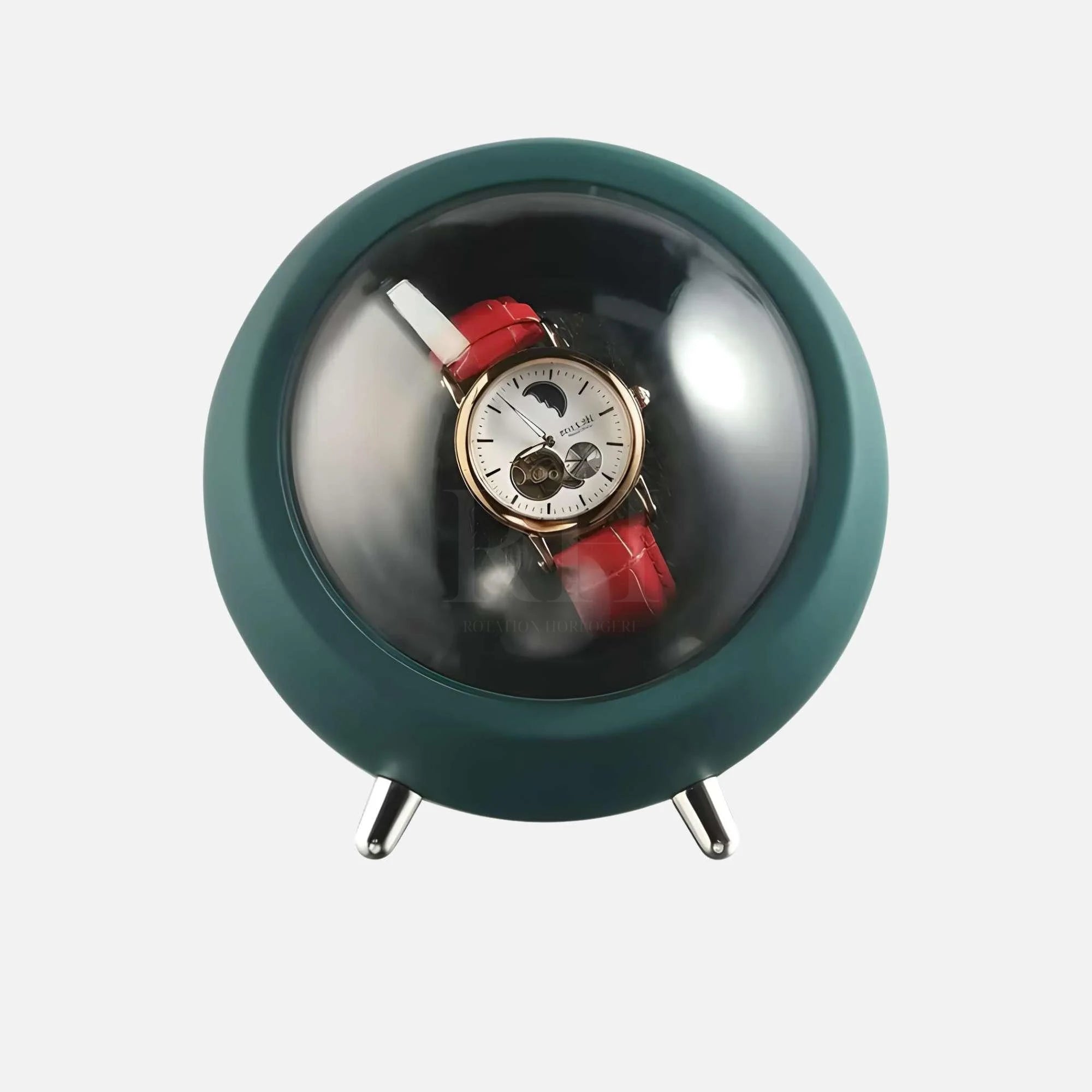
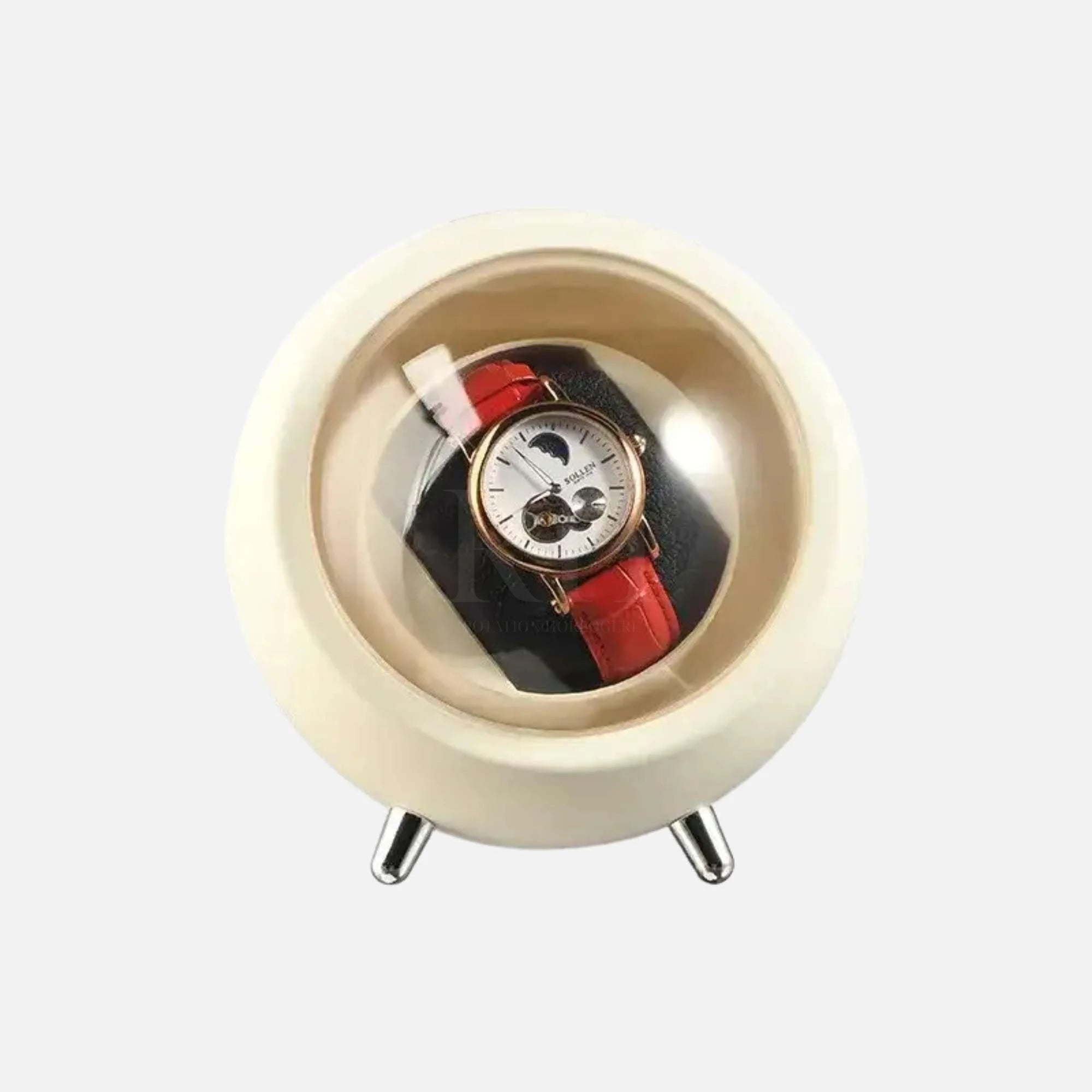
Automatic Watch Winder - Cosmic Sphere
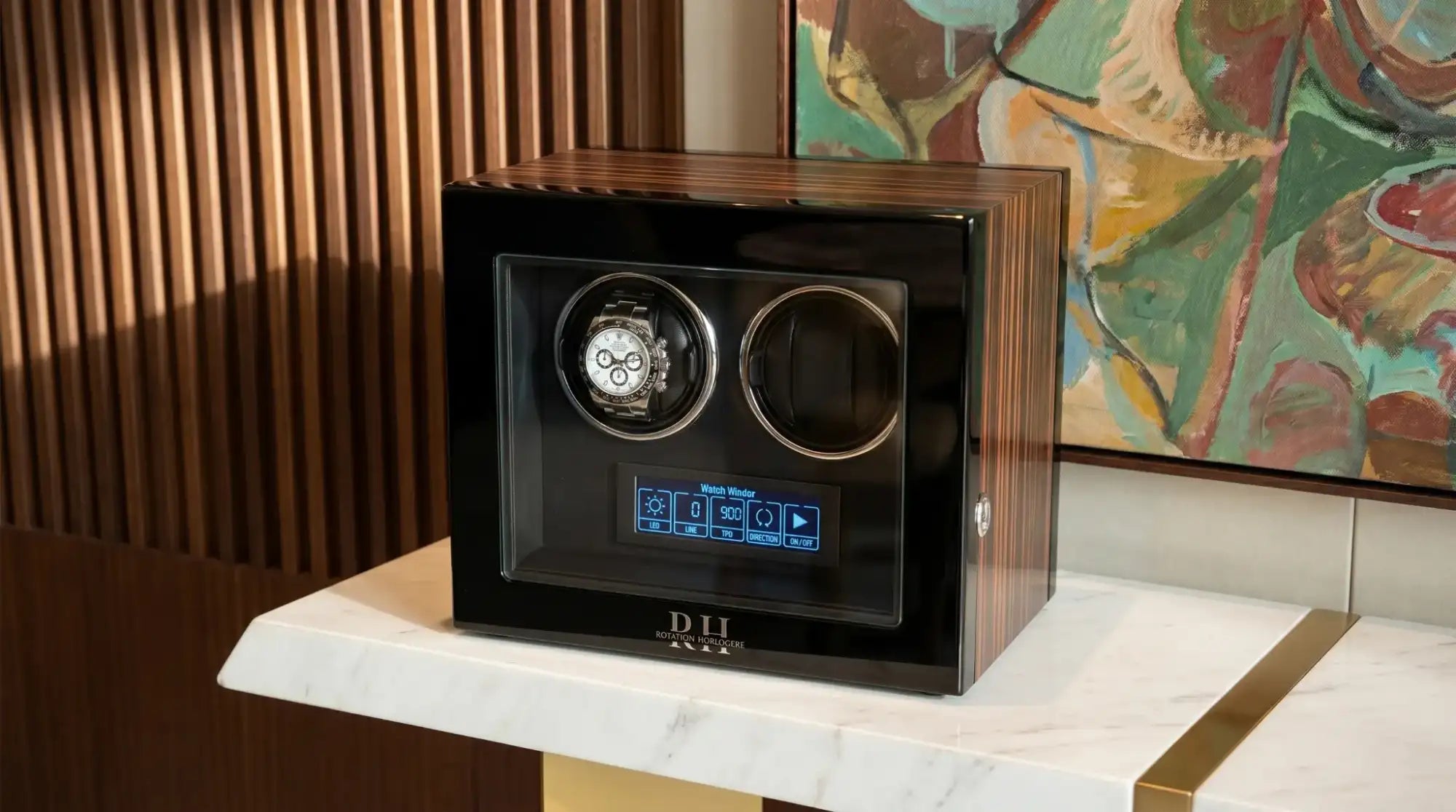
What is the best watch winder for an automatic watch?
The best watch winder fits your watch’s movement, bracelet and wearing routine. Start with the recommended turns per day (TPD) and winding direction, then check that the cushion holds the watch without straining the bracelet clasp. Count powered positions separately from storage compartments. If your watches need different programmes, look for independent controls. For a bedroom, compare documented noise information and scheduling options; check power requirements and dimensions before choosing a spot. A larger case or higher price does not guarantee a better match. Replacement cushion availability and warranty terms also deserve attention when comparing the models in this collection.
Choosing an automatic watch winder
A watch winder rotates your watch to operate its automatic winding mechanism while it is off your wrist. Its main benefit is convenience: reducing the need to reset a stopped watch when you alternate between several pieces. If daily wear already keeps your watch running, a winder is optional rather than essential.
One watch, four watches or a larger collection?
Count the watches you actually want to keep running. A case with two winding positions and eight storage compartments winds only two watches at once. A single winder suits one watch; a multi-position model can keep several pieces together. Independent settings are useful when their movements require different programs. You do not need one separate device for every watch.
Allow for planned purchases, but also check the case dimensions, door clearance and access to a power supply.
Turns per day and rotation direction
TPD means turns per day. The appropriate setting depends on the movement, not simply the brand or price. Check clockwise, counterclockwise or bidirectional operation and whether each position can be programmed separately. Our TPD guide helps you look up settings; confirm them against the relevant instructions, including how rotations in both directions are counted.
There is no universal daily running time. A powered winder may alternate rotation and rest cycles. A long power reserve alone does not determine the TPD setting. Start a stopped watch according to its instructions before placing it on the winder.
Cushion, bracelet and fit
The cushion should hold the watch without forcing the bracelet closed. Check its dimensions and compressibility, especially for a small wrist or large case. On a multi-watch model, leave enough clearance for the watches to rotate without touching each other or the enclosure.
A winder for a bedroom or office
Perceived noise depends on the device, the surface it stands on and the room. Motor origin alone does not guarantee inaudible operation. Check the specific model’s features and scheduling options. If you prefer daytime cycles, make sure that schedule still delivers the required program. Check mains or battery operation and included accessories.
Budget, finishes and security
Compare like-for-like capacities and functions. Prioritise movement compatibility and secure fit over display features. Check the selected variant, current price, availability and included accessories on the product page. Wood, leather or carbon-look finishes should be assessed using the stated materials; appearance alone does not establish composition or performance.
A locked case is not automatically a safe. For dedicated security storage, explore our watch winder safes and check each model’s documented specifications.
Practical questions
My watch stops on the winder. What should I check?
Check the initial winding, power supply, cushion attachment, rotation direction and program. Do not increase TPD at random. If the watch still stops with confirmed settings, contact after-sales support or your watchmaker. A winder does not set the time, correct accuracy or replace watch servicing.
What if it makes an unusual noise?
Stop the device before repositioning the cushion. Check the supporting surface and clearance around the watches. If noise persists, seek support rather than dismantling the motor. Unplug before cleaning, follow the finish-specific instructions and do not apply lubricant inside the mechanism.
Does it work with every watch?
A rotary winder is intended for mechanical automatic watches, not manual-only movements or conventional quartz watches. Ask for advice on vintage or unusual movements. See also our winders for Rolex watches.
Help before ordering
Contact Rotation Horlogère with your watch reference, movement if known, number of watches, budget and installation requirements. Check the delivery and returns terms before ordering.
Practical guides
Let customers speak for us
frequently asked Questions
Automatic Winder FAQ
Your watch is placed on a rotating cushion. The purpose of the winder is to simulate the movement of your wrist. This movement keeps the rotor and oil in your watch moving.
This allows you to maintain the quality of your watch throughout the day.
An automatic watch must be kept in motion regularly to maintain its accuracy. When it remains stationary for too long, the watch oil can congeal and the internal parts can wear out prematurely. An automatic watch winder avoids these problems by simulating the natural movements of the wrist, thus preserving the accuracy and longevity of your timepiece.
On average, an automatic watch needs about 600 rotations per day (TPD). However, depending on the age or brand of your watch, this value can vary. A recent watch will generally only need 500 rotations per day, while an older model will sometimes require more daily rotations.
Yes. Our watch winders are designed to fit the vast majority of automatic watches, regardless of strap or dial size. If a specific model has a limitation, this will be clearly indicated in its product sheet.
Yes, many of our automatic winders feature Japanese Mabuchi motors, renowned for their reliability, quietness, and low energy consumption. Mabuchi is a global leader in premium motors, ensuring precise and long-lasting operation to preserve your timepieces.
No. A quality automatic watch winder, like those offered by Rotation Horlogère, protects your watch by preventing frequent stopping and starting of the mechanism, thus reducing internal wear.
Our winders are designed to last for years thanks to their robust materials and reliable motors. They are guaranteed and can operate continuously for several years without any problems, thanks to their proven technology and careful manufacturing.